ONE PILL CAN KILL
ONE PILL CAN KILL
Friend, picture a federal agent’s car with the agency’s own slogan on it: One Pill Can Kill.
Now picture the agents in that car watching a courier walk out of an Albuquerque hotel with a backpack holding as many as 100,000 counterfeit pain pills. They don’t stop him. That was a Sunday in August 2024, per The Associated Press. Eight months passed before the ring came down.
Two parties have spent the time since trying to hand each other the bill.
What AP found
A new AP investigation published Tuesday found that the Drug Enforcement Administration permitted at least 1.4 million additional fentanyl pills to be trafficked between August 2024 and April 2025 as it closed in on the largest fentanyl bust in U.S. history. That is on top of the hundreds of thousands AP first reported in June. The tally comes from thousands of pages of court documents, investigative records, wiretap reports and 12 hours of DEA surveillance footage, and AP left out deals without specific pill counts.
- 370,000 pills staked out at an Albuquerque park and playground.
- 200,000 pills ferried to a home in Santa Fe’s Agua Fria neighborhood.
- Nearly 500 visits by traffickers to one self-storage unit stocked with fentanyl.
- Almost all of the pills remain unaccounted for today.
The DEA had previously denied it ever knowingly allowed fentanyl trafficking. A former colleague of DEA whistleblower David Howell, Kevin Small, summed it up for AP: “Agents are driving around in a car plastered with ‘One Pill Can Kill’ and at the same time walking hundreds of thousands of pills of fentanyl. They’re hypocrites.”
For once, we didn’t have to write the headline. A former colleague of the whistleblower did.
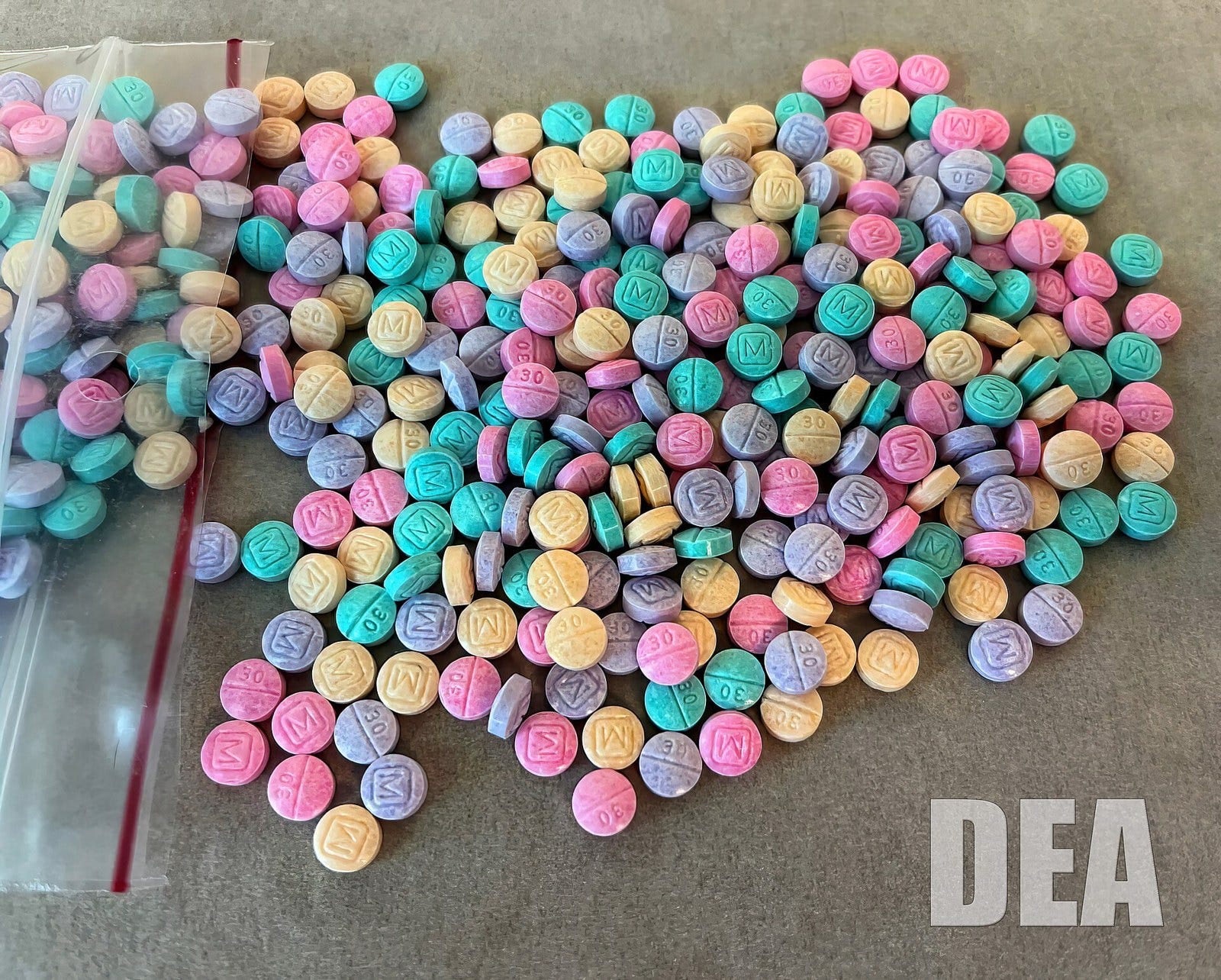
Counterfeit “rainbow” fentanyl pills photographed by the DEA. File photo, not pills from the New Mexico case. (Drug Enforcement Administration, public domain, via Wikimedia Commons)
The slogan has a birthday
The DEA launched its One Pill Can Kill campaign in September 2021, under the Biden administration. According to AP, the Justice Department began instructing agents in 2017 to seize fentanyl whenever “practicable,” then officials loosened those rules in 2024, even after Howell questioned the morality and effectiveness of letting fentanyl hit the streets.
So the administration that printed the bumper sticker is the one that loosened the rule. That one belongs to the blue team.
The victory lap has a birthday too
The window AP measured didn’t end on Inauguration Day. It ran from August 2024, under President Biden, through April 2025, three months into President Trump’s second term, when agents finally arrested the alleged ring leader.
On May 6, 2025, Attorney General Pam Bondi, the DEA and the U.S. attorney in New Mexico announced the results, calling it the dismantling of “one of the largest and most dangerous drug trafficking organizations in U.S. history,” per the Justice Department. At a news conference that month, AP reports, Bondi pulled a small glass vial from her pocket: “It looks like a few grains of salt. This is what it takes to kill you.”
Seven months later, Trump signed an order designating fentanyl a weapon of mass destruction.
One pill can kill. Apparently 1.4 million can get you a press conference.
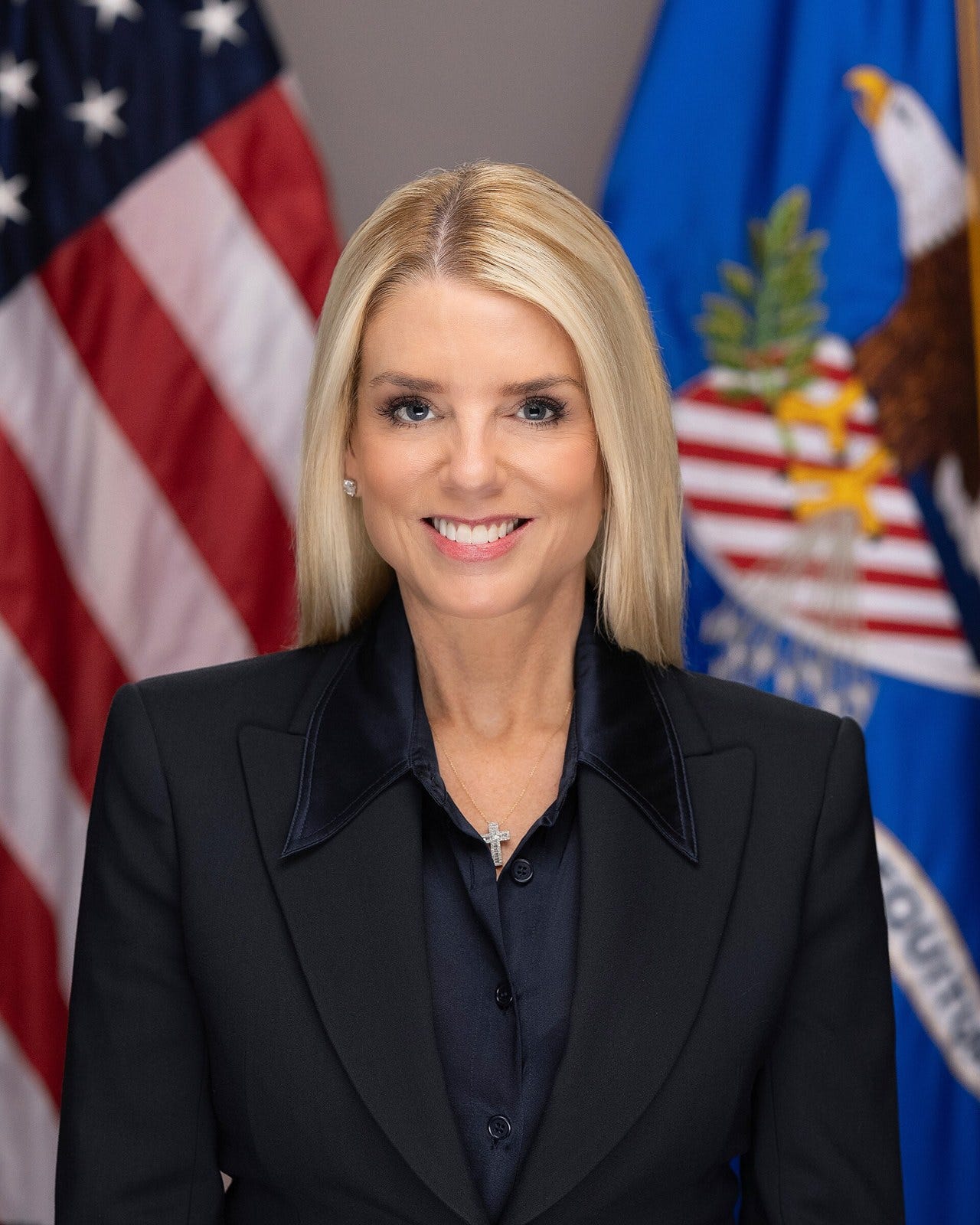
Pam Bondi’s official attorney general portrait. In May 2025 she announced the New Mexico bust and held up a vial: “This is what it takes to kill you.” (U.S. Department of Justice, public domain, via Wikimedia Commons)
Comer’s letter, Comer’s calendar
On Aug. 31, House Oversight Chairman James Comer announced an investigation into “actions taken by the Biden Administration’s Drug Enforcement Administration” that let fentanyl hit New Mexico’s streets, per the committee’s own release. His version: the first Trump Justice Department set fentanyl safeguards in November 2019, and Biden’s DEA disregarded them in New Mexico in early 2023.
Fair enough, as far as it goes. But read the same release one more paragraph down. It says DEA agents let hundreds of thousands of pills hit New Mexico’s streets “between 2023 and 2025.” His letter went to Attorney General Todd Blanche, who runs the department that took the 2025 victory lap.
Comer called a policy of not intercepting significant shipments “unconscionable.” Agreed. Now finish the sentence with the 2025 part.
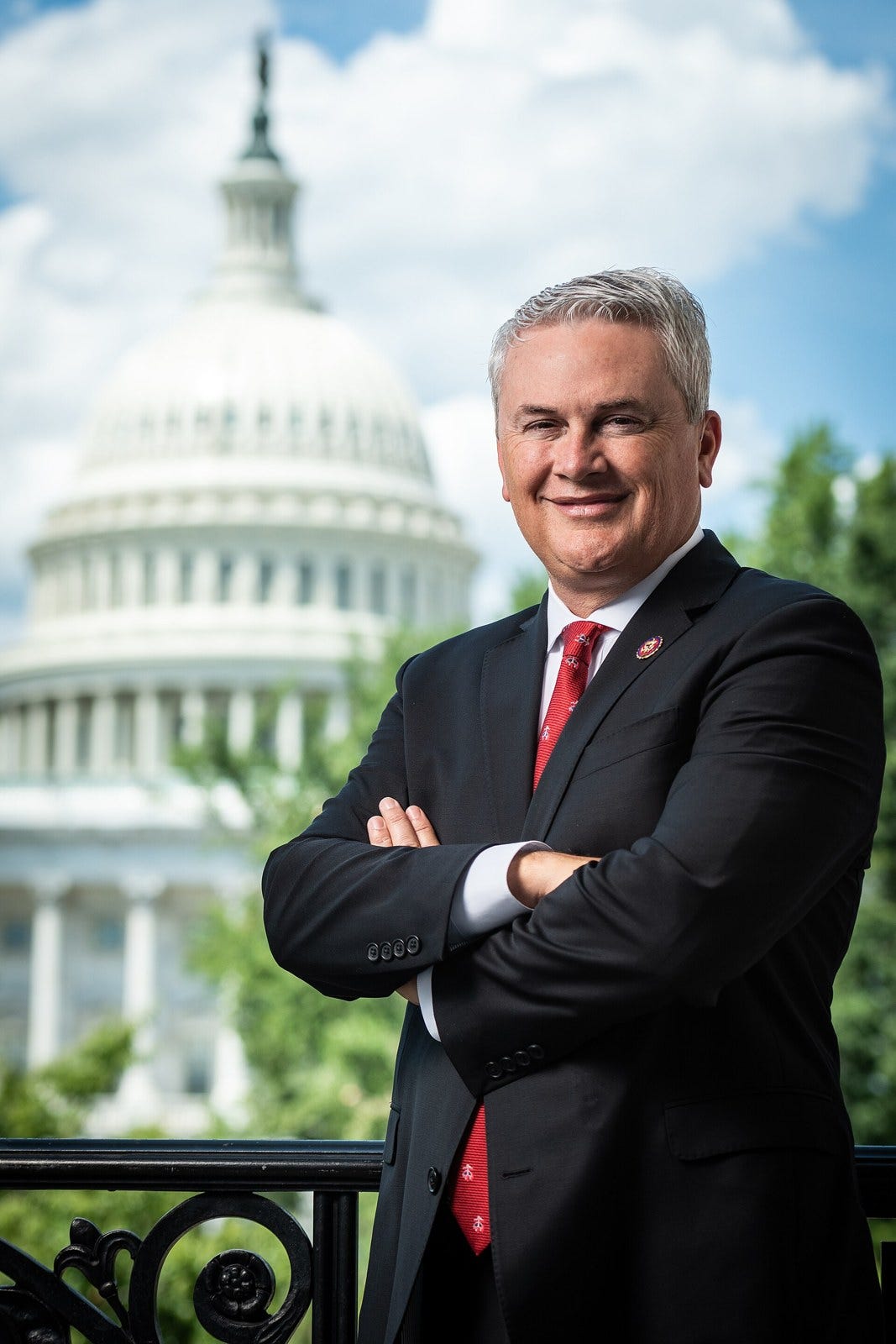
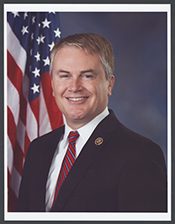
Rep. James Comer, R-Ky., chairman of the House Oversight Committee. His Aug. 31 release blamed “the Biden Administration’s” DEA for pills that walked “between 2023 and 2025.” (U.S. Congress, public domain, via Wikimedia Commons)
Who is still paying
Overdose deaths from fentanyl spiked 44% last year in New Mexico, according to AP. Albuquerque recently declared a state of emergency and last week sued the Justice Department for $153 million. New Mexico’s Democratic governor, Michelle Lujan Grisham, told AP that dealing with the DEA is “like trying to prevent my house from burning down by negotiating with an arsonist.”
The DEA declined to answer AP’s questions, citing a review by the Justice Department’s inspector general. “Our response has not changed,” a spokesperson wrote.
In fairness to the agency, defenders say the wait-and-see approach can lead to bigger busts. The alleged leader, Heriberto Salazar Amaya, was arrested in April 2025 and has pleaded not guilty. Fifteen others were charged, many of them low-level couriers. None of the group’s foreign suppliers in Mexico has been named. As a former DEA senior executive, Brian Besser, put it to AP: “Everybody wants the big fish, but the big fish isn’t guaranteed.”
You can watch AP’s video report and the Bondi announcement clip.
Both aisles, same pill
To my friends on the left: your DEA printed the slogan and your Justice Department loosened the rule. You don’t get to act surprised that agents used the room you gave them.
To my friends on the right: you can’t call fentanyl a weapon of mass destruction, take a bow for the bust, and then file every pill that walked on the way there under “Biden.” The operation ran into your watch, and your attorney general held the vial.
We’ve covered the blame-the-last-guy reflex before in THE BLAME BELONGS WITH THE LAST ADMINISTRATION.
One pill can kill. 1.4 million pills is a receipt with both parties’ signatures on it.
Receipts
- AP investigation, Nov. 24, 2026: 1.4 million pills; August 2024 to April 2025; park, Santa Fe and storage-unit details; 2017 rule and 2024 loosening; Small, Besser and Lujan Grisham quotes; 44% spike; $153 million suit; Bondi vial quote. Also carried by Yahoo News.
- AP key findings, Nov. 24, 2026 and AP video report.
- AP, June 2026: the original report on unseized fentanyl in New Mexico.
- DEA bulletin, Sept. 29, 2021: DEA launches One Pill Can Kill.
- Justice Department, May 6, 2025: Bondi, DEA and USAO New Mexico announce the bust.
- Fox News clip, May 2025: Bondi announces the bust.
- White House, Dec. 2025: Designating Fentanyl as a Weapon of Mass Destruction.
- House Oversight Committee, Aug. 31, 2026: Comer opens investigation; “between 2023 and 2025”; letter to Attorney General Todd Blanche.
- Justice Department Inspector General: ongoing review of fentanyl-related investigations.
- Earlier Hypocrisy Democracy: THE BLAME BELONGS WITH THE LAST ADMINISTRATION
Upgrade
Paid subscribers choose 1 meme sticker from the Etsy shop HypocrisyDemocracy, plus quarterly sticker packs, discounts and bonus content.
Thanks for reading, sharing, and commenting.
If you haven’t subscribed, now’s a good time. Everything here stays free, always. But pieces like this take days of research, writing, and fact checking, and if you’d like to support that work, paid subscriptions are there. Thank you for your support!
Originally published on Substack.